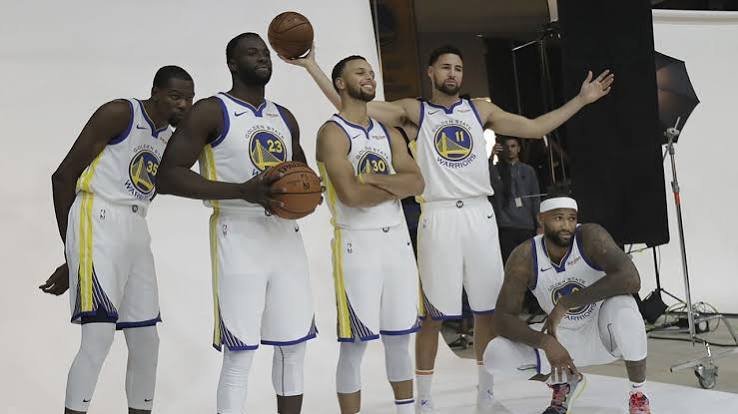
Whenever several All-Star players join one roster, the NBA immediately faces predictions that the season has become unfair. The concern is understandable. Basketball allows elite individuals to influence more possessions than in most team sports, so concentrated talent can shift championship expectations quickly.
The record of superteams is more complicated. Health, defensive balance, depth and role acceptance often determine whether famous names become a coherent unit. A roster can win the transaction cycle and still struggle against a better-developed team.
Why fans resist concentrated talent
Supporters invest in the possibility that intelligent development can challenge financial and geographic advantages. When stars coordinate their movement to one destination, smaller-market teams may feel that years of planning can be erased. That perception matters even when the superteam eventually fails.
The salary system creates real trade-offs
Large contracts reduce flexibility and make strong role players harder to retain. Injuries then expose the bottom of the roster. Modern tax and roster-building rules have increased those costs, forcing teams to choose between top-end talent and reliable depth.
Stars still need complementary roles
Multiple scorers do not automatically produce an efficient offense. Someone must defend the strongest perimeter opponent, screen, rebound and accept fewer touches. Teams that ignore those responsibilities become easier to scheme against during a seven-game series.
Competition often responds faster than expected
Coaches build switching defences, deep rotations and movement-based offenses to attack top-heavy rosters. Young stars also develop quickly. The league becomes unhealthy only when rules make competitive response almost impossible, not whenever one team appears powerful in July.
Final assessment
Superteams can create short-term imbalance and understandable frustration, but they have not ruined the NBA. The modern system imposes meaningful costs, and collective execution still decides championships. The league should protect mobility and competition without pretending that star collaboration is automatically illegitimate.
Frequently asked questions
What is an NBA superteam?
It generally refers to a roster built around several established star players expected to contend immediately.
Why do some superteams fail?
Injuries, weak depth, defensive limitations and unclear offensive roles can outweigh top-end talent.
Add Comment