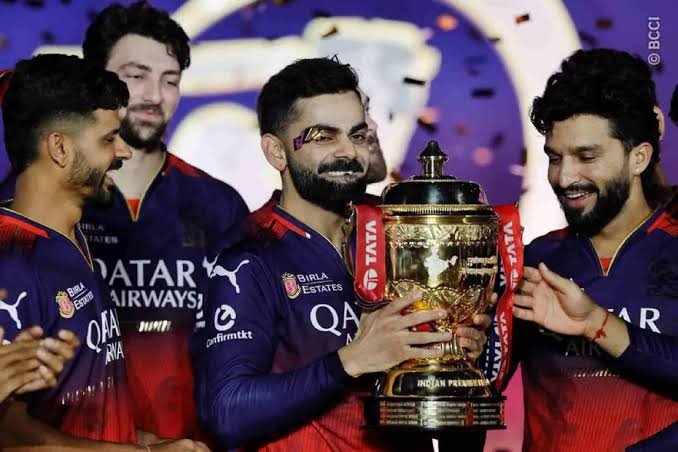
T20 leagues have changed cricket's economy, career paths and global audience. Players can earn significant income in shorter competitions, new markets receive high-level matches and broadcasters gain products that are easier to schedule. Those benefits explain why franchise cricket continues to expand.
The pressure appears when leagues compete directly with international tours. Players are asked to choose between contracts, national duty and physical recovery, while boards outside the wealthiest markets struggle to retain talent. The problem is not T20 itself but the absence of a calendar that protects every level.
Why players are attracted to leagues
A franchise contract can provide financial security without the travel and workload of a full international year. Specialists also gain opportunities that may not exist in national teams. It is reasonable for players to consider earning potential, especially when professional careers can end suddenly through injury or selection.
Bilateral cricket faces the greatest risk
World Cups retain strong meaning, but some bilateral series struggle for context when squads rotate heavily and schedules overlap. Supporters find it harder to invest when leading players are absent. Clear qualification consequences and better spacing could restore importance to these matches.
Smaller boards need protection
Wealthy leagues can strengthen domestic systems, yet they may also draw players away from countries with limited revenue. International cricket depends on competitive diversity. Revenue-sharing, protected windows and stronger development funding are therefore sporting necessities rather than charitable additions.
Coexistence remains possible
Franchise and international cricket do not need to destroy one another. The sport can create dedicated league periods, meaningful international windows and workload limits. That requires boards and leagues to accept that short-term scheduling gains can damage the wider product.
Final assessment
T20 leagues are not killing international cricket by themselves, but unmanaged expansion can weaken it gradually. The most vulnerable areas are bilateral relevance, player availability and smaller national programs. A coordinated calendar can preserve the commercial strength of leagues while protecting international competition.
Frequently asked questions
Why do cricketers prefer some T20 leagues?
Leagues can offer strong pay, shorter commitments and specialist opportunities within a concentrated schedule.
Can international cricket and franchise leagues coexist?
Yes, if governing bodies establish protected windows, meaningful competitions and realistic workload limits.

Add Comment