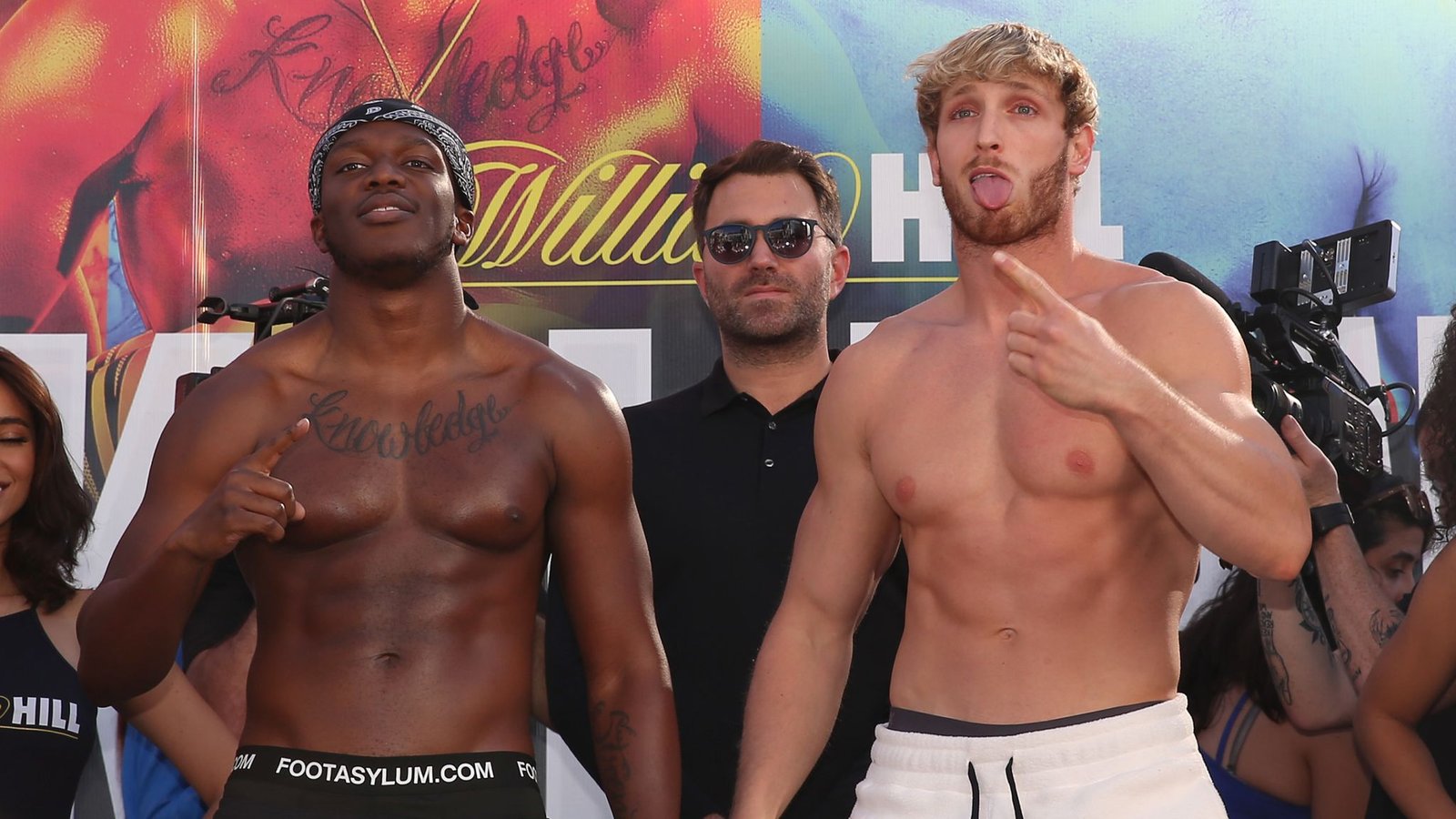
Combat athletes once depended heavily on promoters, television appearances and newspapers to build recognition. Social media now allows a fighter to publish training footage, explain a rivalry and speak directly to supporters every day. That access has changed negotiation and promotion permanently.
The same tools can reward behaviour unrelated to sporting merit. A viral confrontation may create more attention than a difficult win, while edited clips can shape public judgment without context. The challenge is to convert visibility into meaningful competition rather than allowing attention to replace achievement.
Fighters can control their own stories
Athletes can reveal personality, cultural background and preparation without waiting for a broadcaster. A strong audience gives them leverage when negotiating placement and sponsorship. It can also help talented fighters from smaller markets become visible earlier.
Promotion now happens continuously
A fight is no longer marketed only during the final weeks. Rivalries develop through posts, interviews and reactions over months. That continuity can make events feel important, but it may also exhaust the audience before contracts are signed.
Popularity can disrupt sporting pathways
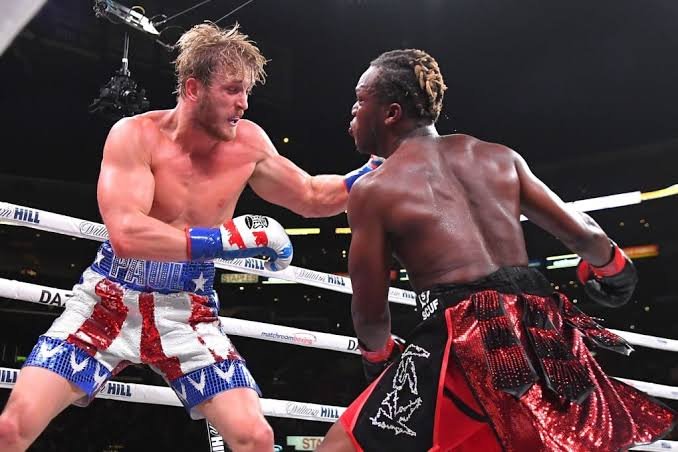
Promoters naturally prefer fighters who bring an existing audience. Ranking position and competitive merit may then become secondary. Celebrity boxing demonstrates the commercial power of attention, but it should not be confused with elite championship competition.
Online abuse creates another cost
Direct access works in both directions. Fighters receive immediate criticism about performance, appearance and identity. Teams need media boundaries and mental-health support so engagement does not become a constant threat to preparation.
Final assessment
Social media has changed combat sports permanently by giving athletes direct promotional power and creating new commercial pathways. Its benefits are strongest when visibility helps meaningful fights happen. Governing bodies and promoters must still protect credible rankings from becoming popularity contests.
Frequently asked questions
How does social media help fighters?
It allows them to build an audience, attract sponsors and communicate without relying entirely on traditional promotion.
Can online popularity replace sporting merit?
It can influence opportunities, but credible championships still require transparent rankings and strong opposition.
Add Comment