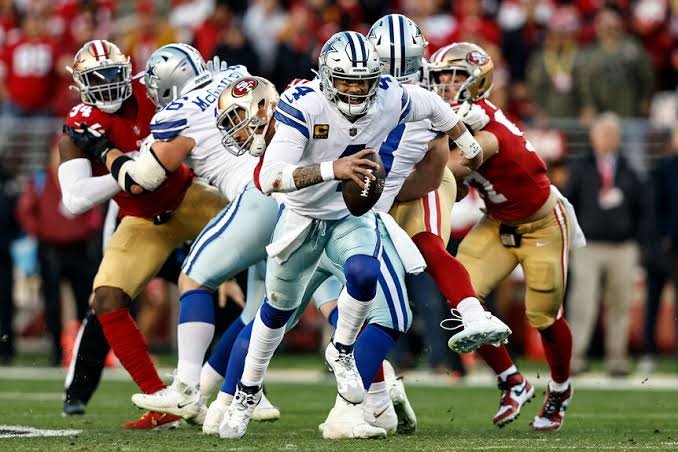
The modern NFL asks defensive players to pressure quarterbacks at high speed and then control contact within a fraction of a second. Roughing-the-passer and contact rules are designed to reduce avoidable injuries, especially when a quarterback is vulnerable after releasing the ball.
The controversy arises when ordinary tackles receive penalties because of body weight, timing or incidental contact. Defenders can feel that the standard changes according to the quarterback or the visibility of the play. Safety is necessary, but credibility depends on rules that can be executed realistically.
Quarterbacks are uniquely exposed
A passer often watches receivers while defenders approach from outside his vision. Late or high contact can create serious injury risk. Protecting that situation is consistent with preserving player health, not merely protecting famous offensive stars.
Defenders need a possible technique
Rules become unfair when compliance requires movement the athlete cannot perform after committing to a tackle. Coaches need clear examples of legal landing, wrapping and strike zones. If safe technique cannot be taught consistently, the rule requires revision.
Inconsistent flags damage trust
Similar hits can produce different decisions across games, leading supporters to suspect reputation-based treatment. Centralized review or limited video assistance could correct obvious mistakes, although it must avoid turning every sack into a long interruption.
Player safety and physical football can coexist
The sport does not need to choose between uncontrolled contact and a penalty for every hard tackle. Intent, lateness and avoidable head contact should remain central. Incidental force within a legal, controlled tackle should receive greater protection.
Final assessment
The NFL is right to protect quarterbacks, but parts of the enforcement can be too restrictive or unpredictable. Better definitions and rapid review would help defenders play aggressively within realistic limits. Safety rules succeed only when players, coaches and fans understand the boundary.
Frequently asked questions
Why are quarterbacks given special protection?
They are often vulnerable while throwing and may not see contact arriving, increasing the risk of serious injury.
Could replay review improve roughing calls?
A narrow and rapid review process could correct clear mistakes without creating long delays.
Add Comment