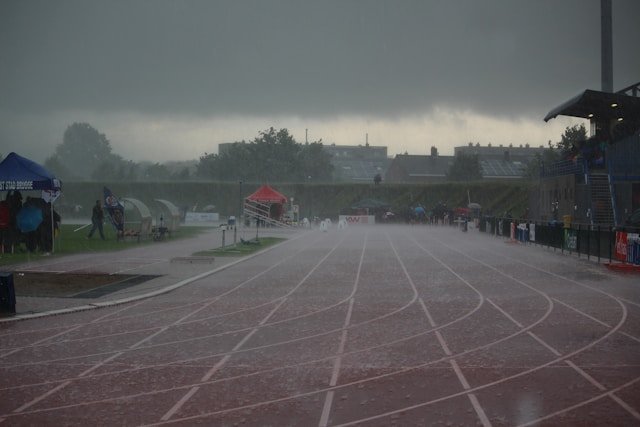

The forecast can shape a sporting contest before the first whistle, serve or delivery. Heat changes physical demands, rain alters surfaces, wind redirects the ball and altitude tests endurance. Athletes cannot control these conditions, but their response can influence both performance and safety.
Professional teams therefore treat weather as part of match preparation. Training plans, equipment, hydration and tactics may all change according to the environment. The advantage often belongs to the team that adjusts first and maintains its standards when conditions become uncomfortable.
When the Forecast Becomes Part of the Contest
Environmental conditions affect every sport differently. A marathon runner facing high humidity has different concerns from a golfer judging a crosswind. Footballers must consider the playing surface, while cricketers monitor changes in the ball, outfield and atmosphere.
Heat places greater demand on the body's cooling system. Cold conditions can affect muscle temperature and movement quality. Wind changes the direction and speed of airborne objects, while rain reduces grip and makes balance more difficult. Recognising these effects allows athletes to make informed decisions before they begin competing.
Heat, Cold and Altitude Test the Body
Hot and humid weather makes it harder for the body to release heat. Sweating increases, fluid loss rises and the heart works harder to support temperature regulation. As dehydration develops, athletes may experience fatigue, reduced concentration and slower reactions. Proper hydration before, during and after activity becomes essential for maintaining safe performance levels.
Many professional teams prepare for hot conditions through planned hydration strategies, gradual heat acclimatisation and lightweight clothing designed to improve airflow. Coaches may reduce training intensity, increase recovery periods or schedule sessions during cooler parts of the day. Sports such as cricket, football, tennis, athletics and distance running are especially demanding when high temperatures combine with humidity.
Cold weather presents a different challenge. Lower muscle temperatures reduce flexibility and can make explosive movements more difficult. Grip, coordination and precision may decline if athletes are unable to stay warm. Longer warm-up routines, layered clothing and active movement during breaks help maintain muscle temperature and reduce injury risk.
Altitude introduces another physical challenge because less oxygen is available in the air. Athletes arriving from lower elevations may experience earlier fatigue, slower recovery and reduced endurance. Teams competing at altitude often arrive several days or weeks before competition to allow their bodies to adapt to the thinner air.
Wind and Rain Demand Tactical Changes
Wind has a major influence on outdoor sports. Footballs, cricket balls, golf shots and javelins all travel differently depending on wind direction and speed. Athletes constantly assess changing conditions and adjust their technique to maintain accuracy and control.
Golfers may select different clubs, football goalkeepers alter their kicking strategy and cricket bowlers use wind direction to influence swing. Athletes who read environmental conditions quickly often gain a tactical advantage over opponents who rely only on their original game plan.
Rain affects movement as much as equipment. Wet football pitches become slippery, cricket outfields slow the ball, and tennis courts may require play to stop for safety reasons. Balance, footwear and controlled movement become increasingly important.
Coaches often respond by encouraging shorter passes, improved defensive positioning and safer decision-making. Rather than forcing risky plays, successful teams simplify their tactics until conditions improve.
How Professional Teams Prepare
Weather preparation begins long before match day. Coaches study forecasts alongside player fitness data to understand how environmental conditions may affect performance. Training sessions may simulate expected conditions through heat exposure, altered workloads or equipment testing.
Hydration plans, nutrition, recovery monitoring and medical support all form part of modern sports preparation. Performance staff use wearable technology to monitor heart rate, body temperature, movement patterns and workload throughout training and competition.
Mental preparation is equally important. Elite athletes understand that weather affects both teams equally. Instead of complaining about difficult conditions, they focus on adapting faster and making better decisions than their opponents.
Young athletes can develop similar skills by practising in a variety of safe weather conditions. Training with wet equipment, moderate wind or controlled heat exposure teaches players how environmental factors influence technique, decision-making and confidence.
Technology and Weather Analysis
Modern sports organisations increasingly rely on advanced weather forecasting and environmental monitoring tools. Detailed forecasts help coaches plan travel schedules, training intensity, hydration requirements and match tactics several days before competition.
Wearable sensors also provide real-time information about body temperature, heart rate and hydration levels. Combined with weather forecasts, these technologies allow coaches to identify fatigue earlier and reduce the risk of heat-related illness or overexertion.
As sports science continues to evolve, weather analysis is becoming an essential part of performance planning rather than simply a background consideration.
Adaptation Is the Real Competitive Skill
Climate and weather influence every outdoor competition, but they rarely determine the result on their own. Preparation, fitness, tactical awareness and decision-making remain the most important factors. Weather simply changes the challenges athletes must overcome.
The best teams understand when to slow the pace, change equipment, simplify tactics or increase recovery efforts. They recognise the difference between normal discomfort and genuine safety risks.
Talent remains the foundation of sporting success, but talent performs best when supported by intelligent preparation. Athletes who adapt confidently to changing conditions often gain an important competitive advantage when the environment becomes unpredictable.
Frequently Asked Questions
How does extreme heat affect sports performance?
High temperatures increase sweating, dehydration and body temperature. Without proper hydration and recovery, athletes may experience fatigue, slower reactions and reduced concentration.
Why is wind important in outdoor sports?
Wind changes the movement of balls, equipment and even running performance. Athletes must continually assess wind direction and adjust their technique or tactics accordingly.
How do professional teams prepare for difficult weather?
Teams use weather forecasts, hydration strategies, acclimatisation training, specialised equipment, recovery planning and wearable technology to prepare athletes for different environmental conditions.
Can weather decide the outcome of a sporting event?
Weather influences tactics, performance and decision-making, but it does not determine the winner by itself. Teams that adapt more effectively often gain a valuable competitive advantage.
Add Comment