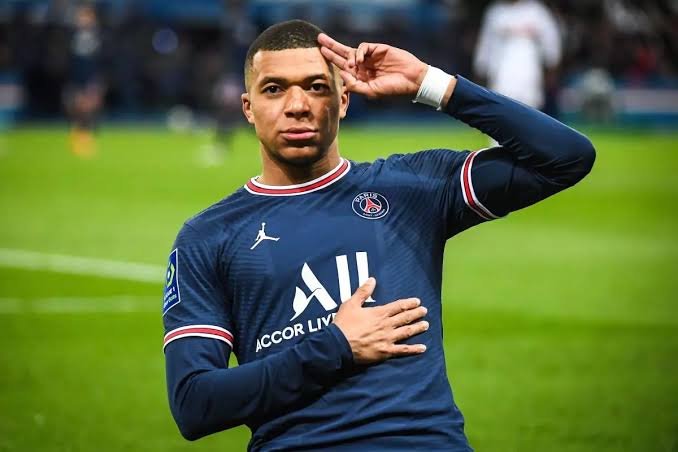
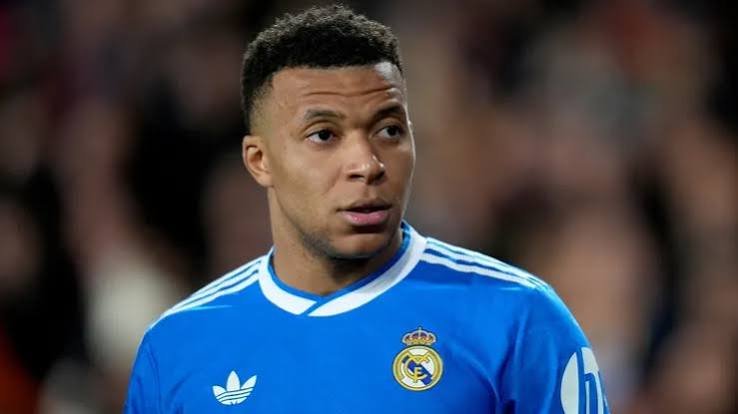
The debate is not simply about popularity. It concerns sporting authority, commercial power and the changing relationship between supporters, players and clubs. Mbappé may command an audience comparable to football's largest institutions, but visibility and lasting importance are not necessarily the same thing.
The Debate Is Really About Attention
When supporters describe a player as being bigger than a club, they are usually discussing attention rather than history. Mbappé can dominate headlines before an important match, during the contest and long after the final whistle. A goal, substitution or brief public comment can generate more discussion than the performance of the wider team.
Digital media has intensified that focus. Supporters now follow individual players through interviews, training footage, sponsorship campaigns and social platforms throughout the year. Some younger audiences build their connection with football around personalities before developing an attachment to a particular club.
Why Mbappé Commands Such Influence
Mbappé possesses the sporting record required to support his enormous profile. He won the 2018 World Cup with France and appeared in another final four years later. FIFA's tournament records underline his extraordinary impact on international football, while his move to Real Madrid in 2024 placed him at the centre of the club game’s most demanding environment.
His performances have continued to strengthen that position. UEFA recorded Mbappé as the leading scorer in the 2025–26 Champions League with 15 goals. Achievements of that scale ensure the conversation is driven by performance as well as marketing. Sources: FIFA, UEFA.
Why the Club Still Comes First
Individual fame does not remove the importance of the institution. Real Madrid existed long before Mbappé arrived and will continue competing after his playing career ends. Its identity has been built across generations by different players, coaches, supporters and major victories.
The same principle applied when previous superstars changed clubs or retired. Their departures altered teams, but they did not erase the history or ambition of those organizations. Even the most influential footballer remains part of a structure that selects the squad, establishes the sporting direction and represents a permanent community.
Superstar Status Creates Sporting Pressure
Being the central figure also brings responsibilities that commercial influence cannot soften. Mbappé is assessed not only through goals but through leadership, decision-making and performances in decisive matches. When a team struggles, the most recognizable player usually receives a disproportionate share of the criticism.
That attention can also distort tactical analysis. A forward depends on service, movement around him and the collective plan. Treating every result as a judgment on one player overlooks the work of teammates and the tactical choices that shape his opportunities.
Commercial Power Has Changed the Relationship
Modern clubs recruit elite players for more than their match-day contribution. A superstar can expand international interest, strengthen sponsorship opportunities and increase demand for merchandise and digital content. Mbappé offers that commercial reach while also operating among the game's most productive forwards.
However, marketing power should not be confused with sporting ownership. A player may become the most visible part of a club without becoming greater than the club itself. The healthiest relationship develops when individual influence supports collective objectives instead of competing with them.
A Balanced Verdict
Mbappé is not bigger than Real Madrid or the France national team in historical and institutional terms. Both carry identities that extend beyond any single career. Yet his personal audience allows him to rival those teams for daily attention, particularly among supporters who experience football mainly through digital media.
The distinction matters. Mbappé can temporarily become the biggest story surrounding a team, but trophies still require a complete squad. His legacy will ultimately depend on whether his exceptional individual influence contributes to collective success when the pressure is highest.
Frequently Asked Questions
Why do some supporters believe Mbappé is bigger than his club?
His worldwide recognition, commercial appeal and constant media coverage can sometimes attract more attention than the wider team.
Which club does Kylian Mbappé represent?
Mbappé has played for Real Madrid since joining the Spanish club in 2024, according to his official club profile.
Can an individual footballer become bigger than a club?
A player can surpass a club in temporary visibility or personal popularity. Established clubs, however, possess histories and supporter communities that continue beyond individual careers.
Is this a factual report or an opinion article?
This is a sports analysis article. Its conclusions evaluate different interpretations of Mbappé's influence rather than presenting the debate as an established fact.
Add Comment