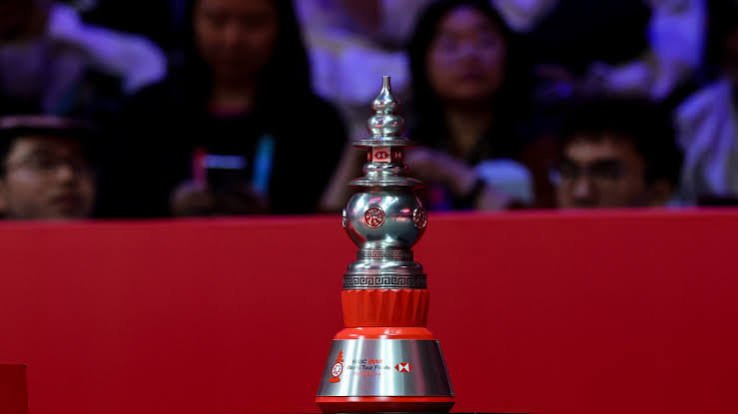
The BWF World Tour gives players a clear international circuit, valuable ranking points and regular opportunities to compete against the strongest field. Its global reach is essential to badminton's growth. The same structure, however, can create a relentless cycle of travel, recovery and competition.
Singles and doubles players face repeated high-intensity movement with limited time to rebuild between events. When ranking obligations and qualification targets influence scheduling, athletes may enter tournaments without being physically ready. That is a performance issue as well as a welfare concern.
Travel adds hidden physical stress
Long flights, changing time zones and unfamiliar training environments affect sleep and recovery before the first rally. Those demands are difficult to measure through match totals alone. A player may compete for only an hour yet spend several days adapting to the journey.
Ranking pressure encourages overplaying
Athletes need points to enter major events, protect seedings and pursue Olympic qualification. Missing tournaments can therefore carry a sporting cost even when rest is medically sensible. The system should avoid creating incentives that punish careful workload management.
Fans also need healthy leading players
A crowded calendar may create more events but a weaker product if stars withdraw or compete below their best. Tournament value depends on quality and uncertainty, not only quantity. Recovery windows can protect both athlete careers and the credibility of major competitions.
Better coordination is possible
The tour could use clearer regional blocks, more realistic mandatory-event rules and protected rest periods. Players and coaches also need transparent injury exemptions. Scheduling reform does not require fewer opportunities everywhere; it requires a more intelligent sequence.
Final assessment
The World Tour is close to becoming too demanding for players expected to contest every important event. Its global structure should remain, but ranking incentives and travel patterns need refinement. A sustainable tour will produce better matches, longer careers and stronger tournaments.
Frequently asked questions
Why is badminton scheduling physically difficult?
Frequent explosive movement is combined with international travel, time-zone changes and short recovery periods.
How could the tour reduce workload?
Regional scheduling, protected recovery windows and fair injury exemptions would allow more selective planning.

Add Comment