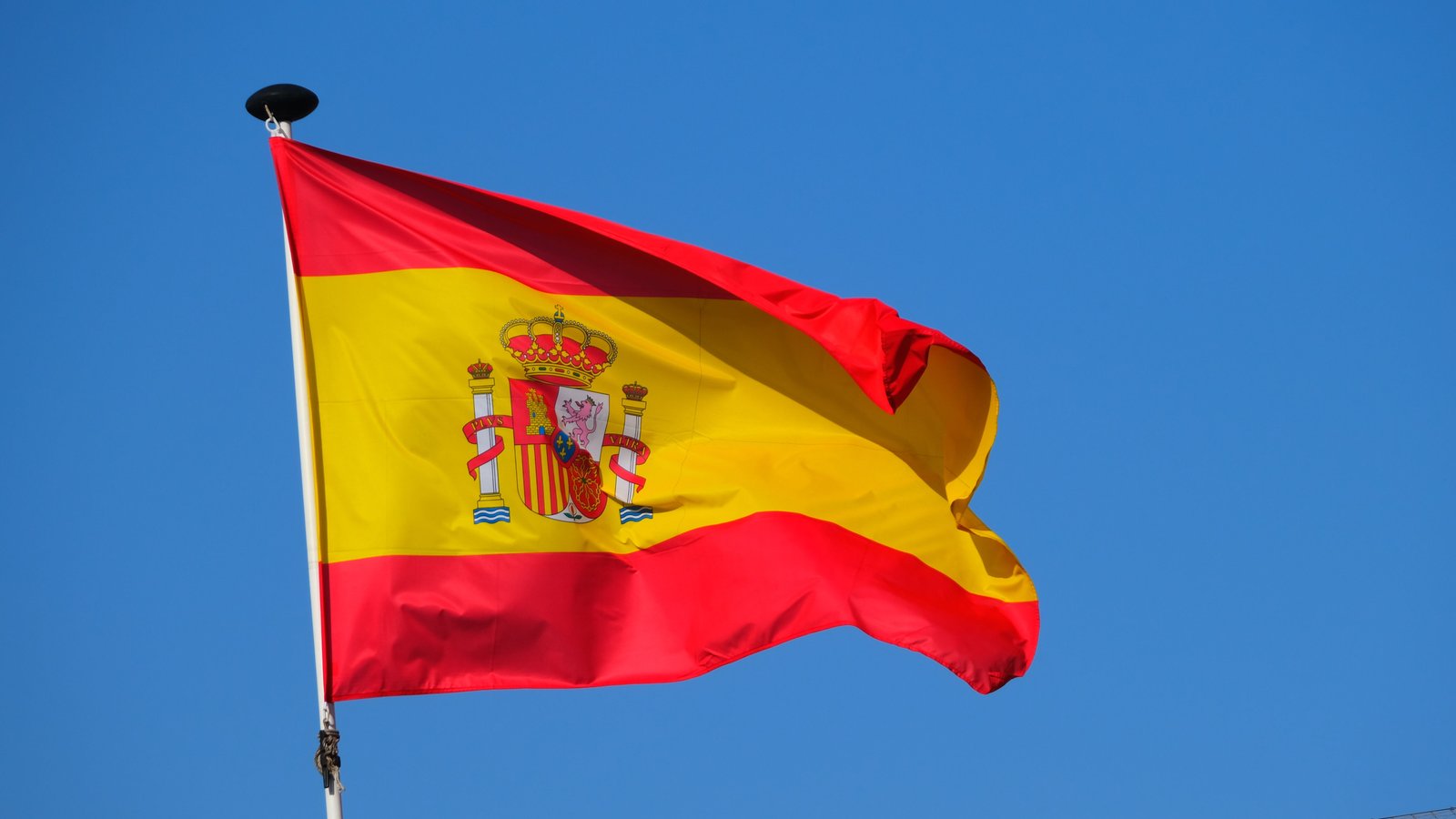
Spain Wins FIFA World Cup 2026: How La Roja Conquered the World Again In a thrilling finale to the FIFA World Cup 2026, Spain edged out Argentina 1-0 after extra time, claiming
Spain Wins FIFA World Cup 2026: How La Roja Conquered the World Again
In a thrilling finale to the FIFA World Cup 2026, Spain edged out Argentina 1-0 after extra time, claiming their second World Cup title and making history in the process. This victory marks a significant milestone for Spanish football, as La Roja becomes the first nation to simultaneously hold both the men's and women's FIFA World Cup titles.
Historic Victory
This triumph is a testament to the strength and depth of Spanish football, which has been built on a foundation of technical excellence and tactical sophistication. With this win, Spain cements its position as one of the dominant forces in world football, and the team's success will undoubtedly inspire a new generation of players and coaches.
Spain's Journey Through the Tournament
Spain's path to the final was marked by a series of impressive performances, including a 3-1 win over Germany in the group stage and a 2-0 victory over Brazil in the quarterfinals. The team's progress was built on a solid defensive foundation, with goalkeeper Unai Simón playing a crucial role in the team's success. In addition, the likes of Ferran Torres, Rodri, Lamine Yamal, and Nico Williams provided the attacking flair that propelled Spain to the top.
The Final Against Argentina
The final against Argentina was a closely contested affair, with both teams creating scoring opportunities. However, it was Spain who ultimately emerged victorious, thanks to a goal from Ferran Torres in extra time. The match was marked by a high level of intensity and physicality, with both teams giving their all in pursuit of the ultimate prize.
Key Performances
Several players stood out for Spain throughout the tournament, including Ferran Torres, who scored the winning goal in the final, and Rodri, who provided a dominant presence in midfield. Lamine Yamal and Nico Williams also made significant contributions, using their pace and skill to stretch opposing defenses. Meanwhile, Unai Simón was a rock in goal, making several crucial saves to deny Argentina.
Tactical Analysis
Spain's success was built on a tactical style that emphasized pressing, possession football, and defensive organization. The team's high-intensity press allowed them to win the ball back quickly and launch swift counterattacks, while their possession-based approach enabled them to control the tempo of the game. The team's defensive solidity was also a key factor, with the back four and goalkeeper Unai Simón forming a formidable barrier that opponents found difficult to breach.
Football Academy System
Spain's youth academy system has played a crucial role in the development of this team, with many of the players having come through the ranks of La Liga clubs. The likes of Ferran Torres, Rodri, and Lamine Yamal have all benefited from the country's emphasis on technical development and tactical education, which has enabled them to thrive at the highest level.
Statistics
Some key statistics from the tournament include:
| Category | Spain | Argentina |
|---|---|---|
| Goals Scored | 15 | 12 |
| Goals Conceded | 5 | 8 |
| Possession | 58% | 42% |
Timeline of Important Moments
Here is a timeline of the key moments from the final:
- 90+2': The match goes into extra time after the score remains 0-0 at the end of normal time.
- 105': Ferran Torres scores the winning goal for Spain.
- 120': The final whistle blows, and Spain is crowned FIFA World Cup 2026 champion.
What This Victory Means for World Football
This victory marks a significant shift in the balance of power in world football, with Spain emerging as a dominant force. The team's success will undoubtedly inspire other nations to adopt a similar approach, with an emphasis on technical development and tactical sophistication.
Lessons for Young Football Players and Coaches
There are several lessons that young football players and coaches can learn from Spain's success, including the importance of technical development, tactical education, and teamwork. The team's emphasis on possession football and defensive organization is also worth noting, as is the role of the goalkeeper in organizing the defense.
Frequently Asked Questions
Here are some frequently asked questions about Spain's victory:
- Q: Who scored the winning goal for Spain in the final?
- A: Ferran Torres scored the winning goal in extra time.
- Q: What was the final score in the match between Spain and Argentina?
- A: The final score was 1-0 in favor of Spain.
- Q: How many World Cup titles has Spain won?
- A: Spain has won two World Cup titles, including the 2010 and 2026 tournaments.
- Q: Who is the coach of the Spanish national team?
- A: Luis de la Fuente is the coach of the Spanish national team.
- Q: What is the name of Spain's football academy system?
- A: Spain's football academy system is known for producing technically gifted players through its emphasis on technical development and tactical education.
- Q: How many players from La Liga clubs were in the Spanish squad for the 2026 World Cup?
- A: The majority of the players in the Spanish squad for the 2026 World Cup came from La Liga clubs.
- Q: What is the significance of Spain's victory in the 2026 World Cup?
- A: Spain's victory marks the first time a nation has simultaneously held both the men's and women's FIFA World Cup titles.
Conclusion
In conclusion, Spain's victory in the FIFA World Cup 2026 is a testament to the strength and depth of Spanish football. The team's success is built on a foundation of technical excellence, tactical sophistication, and teamwork, and will undoubtedly inspire a new generation of players and coaches. As the football world looks to the future, one thing is certain: Spain will be a force to be reckoned with for years to come.
Add Comment