
The England and Wales Cricket Board confirmed the changes following Ben Stokes’ retirement from international cricket and Brendon McCullum’s departure from the Test coaching position. McCullum will continue leading England’s white-ball teams, creating separate management structures for red-ball and limited-overs cricket.
According to Reuters’ report on the appointments, Root will captain England during the upcoming home series against Pakistan. Fleming will formally take control after that series, with Marcus Trescothick serving as interim head coach.
England Resets Its Test Leadership
The appointments represent a significant change following four years of the Stokes-McCullum partnership. Their aggressive approach revived England’s Test cricket and produced several memorable victories, but results weakened during the final stages of their tenure.
A 4–1 Ashes defeat in Australia was followed by a 2–1 home series loss against New Zealand. Those results increased pressure on England’s red-ball structure and eventually led to a coaching change. The ECB confirmed McCullum’s departure from the Test role while retaining him as white-ball coach.
England is not necessarily abandoning the attacking principles associated with the previous era. The more immediate requirement is to develop an approach capable of producing consistent results. Fleming and Root must decide which elements should remain and where greater tactical control is required.
What Stephen Fleming Brings to England
Fleming arrives with extensive experience as both a captain and coach. The 53-year-old represented New Zealand in 111 Test matches and became respected for his tactical intelligence, composed personality and ability to manage players across long campaigns.
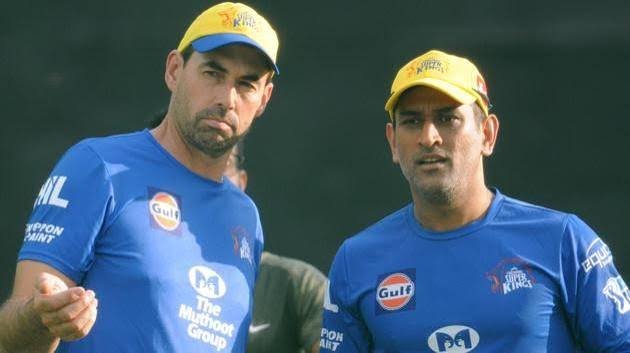
His coaching reputation was built primarily in franchise cricket. Fleming developed a long-running partnership with Chennai Super Kings and helped create one of the IPL’s most stable teams. The official IPL archive records five Chennai championship seasons during his coaching tenure.
That background gives Fleming considerable experience in recruitment, role definition and dressing-room management. He has repeatedly balanced established players with emerging talent while maintaining a recognisable team identity. England will expect those qualities to transfer into the Test environment.
International red-ball coaching presents different demands from a franchise competition. Test series require longer-term technical planning, workload management and rapid adjustment between playing conditions. Fleming’s challenge will be to apply his leadership strengths without treating Test cricket like an extended T20 campaign.
Why England Returned to Joe Root
Root previously captained England in 64 Tests between 2017 and 2022, more than any other player. His first tenure included important victories but ended during a difficult period in which the team won only once across his final 17 matches.
After stepping down, Root returned his complete attention to batting and remained one of England’s most dependable performers. Accepting the captaincy again places additional responsibility on a player who continues to carry a major part of the team’s run-scoring expectations.
England nevertheless required a leader with immediate authority. Root understands the dressing room, knows the pressures surrounding the position and already has experience captaining in different countries. Those qualities offered greater certainty during a period of structural change.
His second tenure should not simply repeat the first. Root now has an opportunity to apply lessons from his earlier captaincy while working with a coach recognised for collaborative leadership. The effectiveness of that relationship will influence England’s tactical direction.
The Pakistan Series Comes Before Fleming Takes Charge
Root’s return will begin before his new head coach formally joins the team. England’s three-Test home series against Pakistan starts on August 19, with Trescothick taking temporary responsibility for the coaching group.
This creates an unusual transition. Root must establish his leadership immediately, while Fleming observes and prepares to take control ahead of England’s winter programme. Clear communication between all three figures will be important if the team is to avoid changing direction twice within the same season.
The Pakistan series will also provide an early indication of England’s selection priorities. Senior players must deliver consistently, while younger cricketers require clearly defined roles. The leadership group will need to balance immediate results with preparation for future Test assignments.
The Bigger Challenge Facing Fleming and Root
England’s problems cannot be solved through appointments alone. The team must improve its ability to manage difficult sessions, perform overseas and remain competitive when an attacking approach is no longer producing results.
Fleming will need to build a reliable bowling group while managing the physical demands placed on England’s fast bowlers. Batting consistency is another priority. Root’s personal output remains important, but the team cannot depend too heavily on one player to recover difficult innings.
The new partnership must also decide how England approaches the next World Test Championship cycle and the 2027 home Ashes. Those objectives require a settled playing identity, a stronger group of reserves and selection decisions based on specific roles rather than reputation.
Fleming’s appointment provides tactical experience and long-term team-building knowledge. Root offers familiarity, international authority and an understanding of England’s recent challenges. Their combined experience creates a credible foundation, but progress will ultimately be measured through performances rather than the reputation surrounding either appointment.
Frequently Asked Questions
Who is England’s new Test head coach?
Stephen Fleming has been appointed head coach of the England men’s Test team. The former New Zealand captain will formally take charge after the home series against Pakistan.
Who will coach England during the Pakistan Test series?
Marcus Trescothick will serve as interim head coach for the three-match series beginning on August 19, 2026.
Has Joe Root returned as England’s permanent Test captain?
Yes. Root has been reappointed as the permanent Test captain after previously leading England from 2017 until 2022.
Why was Stephen Fleming selected?
Fleming offers extensive captaincy experience, a strong tactical reputation and a successful record of developing stable teams during his franchise coaching career.
What happened to Brendon McCullum?
McCullum has left his role as England’s Test head coach following a difficult run of results. He remains responsible for the men’s ODI and T20I teams.
What are the biggest challenges for the new leadership?
England must improve consistency, strengthen its player depth, manage fast-bowling workloads and prepare for major Test assignments, including the 2027 home Ashes.
Add Comment