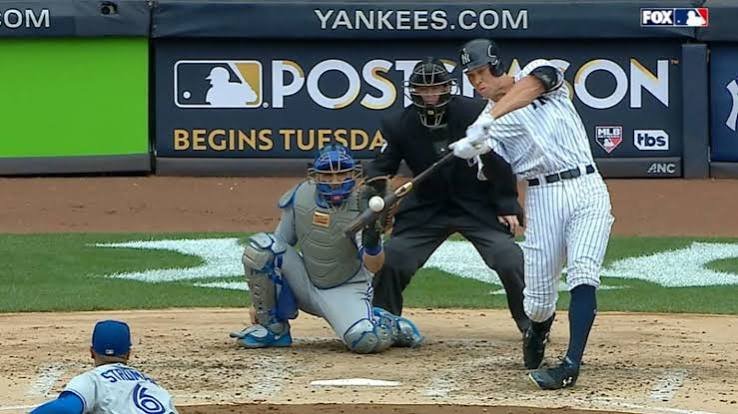
Modern baseball teams understand the value of power. A home run cannot be defended, immediately produces at least one run and avoids the uncertainty of advancing runners through several hits. Training and roster construction have naturally moved toward players who can lift the ball with authority.
The concern is what disappears when that approach dominates. More strikeouts, fewer balls in play and similar offensive plans can reduce the running, fielding and situational decisions that give baseball its variety. Efficiency and entertainment do not always move together.
Why power became the rational choice
Pitchers throw harder and defensive positioning became more sophisticated, making consecutive hits difficult. Hitters responded by seeking damage when they received a hittable pitch. Front offices reinforced the approach because extra-base power strongly influences run production.
The cost is fewer active moments
A home run is dramatic, but the plate appearances surrounding it may contain limited movement. Strikeouts and walks remove defenders from the play. Fans who value baserunning, difficult catches and rapid decisions may feel that a core part of the sport appears less frequently.
Rule changes have restored some balance
Larger bases, limits on defensive shifts and restrictions on pitcher disengagements encouraged more stolen-base attempts and balls through the infield. These changes did not attack home runs directly. They increased the value of alternative ways to create offence.
Teams will follow available advantages
If pitchers adapt to power-focused swings, contact and speed may become undervalued skills. Baseball strategy often moves in cycles. The next successful offence may combine home-run threat with pressure on the bases rather than rejecting power.
Final assessment
Baseball has become heavily focused on home runs, but the answer is not to make power artificially undesirable. The sport should preserve conditions in which contact, speed and defence can also influence winning. Strategic diversity produces a richer game than one preferred outcome.
Frequently asked questions
Why do teams prioritize home runs?
Power creates runs without depending on several consecutive hits and is strongly connected with overall offensive production.
Have recent rules increased baserunning?
Larger bases and limits on pitcher disengagements helped encourage more stolen-base activity.
Add Comment