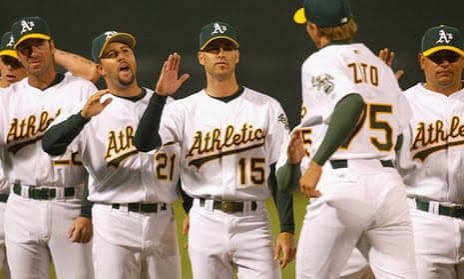
Moneyball is often reduced to on-base percentage and the story of a low-budget team challenging wealthier rivals. Its deeper influence was organizational. It demonstrated that baseball decisions could be tested against evidence and that market reputation did not always match competitive value.
Every major club now uses advanced analysis, so the original advantage has largely disappeared. The lasting contest is not between numbers and scouts. It is between organizations that combine information well and those that allow departments to operate without a shared decision process.
It changed the language of value
Front offices began questioning traditional measures and studying how individual skills contributed to wins. Players who reached base, controlled the strike zone or produced less visible defensive value received different attention. The market adjusted once those ideas became widely understood.
Analytics expanded far beyond hitting
Pitch design, defensive positioning, injury prevention and player development now rely on large data systems. Cameras and tracking technology describe movement in detail that earlier teams could not access. The competitive question is how effectively that information reaches coaches and players.
Scouting remains essential
Data can identify patterns but may not explain why a player's movement changed or whether he can adapt. Scouts provide context about mechanics, health and learning style. Strong organizations use observation to improve the question rather than treating either method as complete.
The next edge is harder to find
When every club understands common metrics, advantage moves toward development, communication and individualized training. The modern version of Moneyball may involve helping an overlooked player acquire a new skill rather than simply discovering an ignored statistic.
Final assessment
Moneyball changed baseball permanently by making evidence and market inefficiency central to team building. Its success does not mean one formula should be repeated forever. The real lesson is to keep testing assumptions and connect analysis with human development.
Frequently asked questions
Was Moneyball only about on-base percentage?
No. Its broader idea was identifying undervalued skills through evidence and exploiting market inefficiency.
Did analytics replace baseball scouts?
No. Most successful organizations combine quantitative information with scouting and coaching expertise.

Add Comment