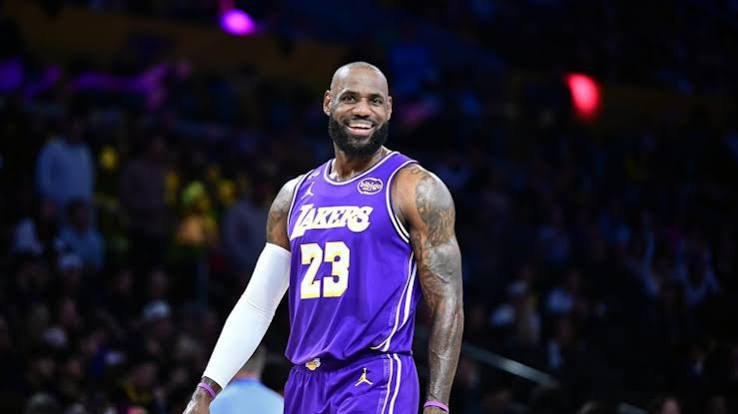
LeBron James was still influencing playoff games at 41 during the 2026 postseason. His role changed, and he could no longer dominate every possession as he did at his physical peak, but productive longevity is not the same as staying beyond usefulness.
The argument usually reflects discomfort with watching a legend evolve. Supporters remember explosive drives and complete control, then compare every later performance with that version. A fairer standard asks whether he continues to help his team and accepts the responsibilities his current level requires.
The role has naturally changed
Older stars conserve energy differently, choose attacking moments and depend more on teammates to manage regular-season workload. That adjustment does not diminish earlier greatness. It shows whether a player can translate knowledge and skill after physical advantages begin to narrow.
Performance should decide, not age
If James can create shots, organize offense and contribute in important games, he retains sporting value. A birth certificate is not a tactical argument. Teams must still evaluate defensive limitations and recovery honestly rather than allowing reputation to control minutes.
The Lakers must plan beyond him
Continuing to use James does not excuse the organization from building for the future. Luka Dončić and the next core need defined authority. A healthy transition allows James to contribute without forcing every decision to preserve a previous era.
Retirement belongs to the athlete
Fans may prefer a dramatic exit at the exact moment a player remains near his best, but careers are lived by the athlete. If preparation, competition and team contribution remain meaningful, continuing is a legitimate choice. The end does not need to resemble the peak.
Final assessment
James has not stayed too long simply because his game has changed. He remained capable of helping a playoff team in 2026. The concern would become valid only if role, health and performance no longer justified his place, or if the organization refused to plan honestly for life after him.
Frequently asked questions
How old was LeBron during the 2026 playoffs?
He was 41 and continued to play an important role for the Lakers.
Can an older superstar still help a contender?
Yes, if minutes and responsibilities match current performance rather than past reputation.
Add Comment